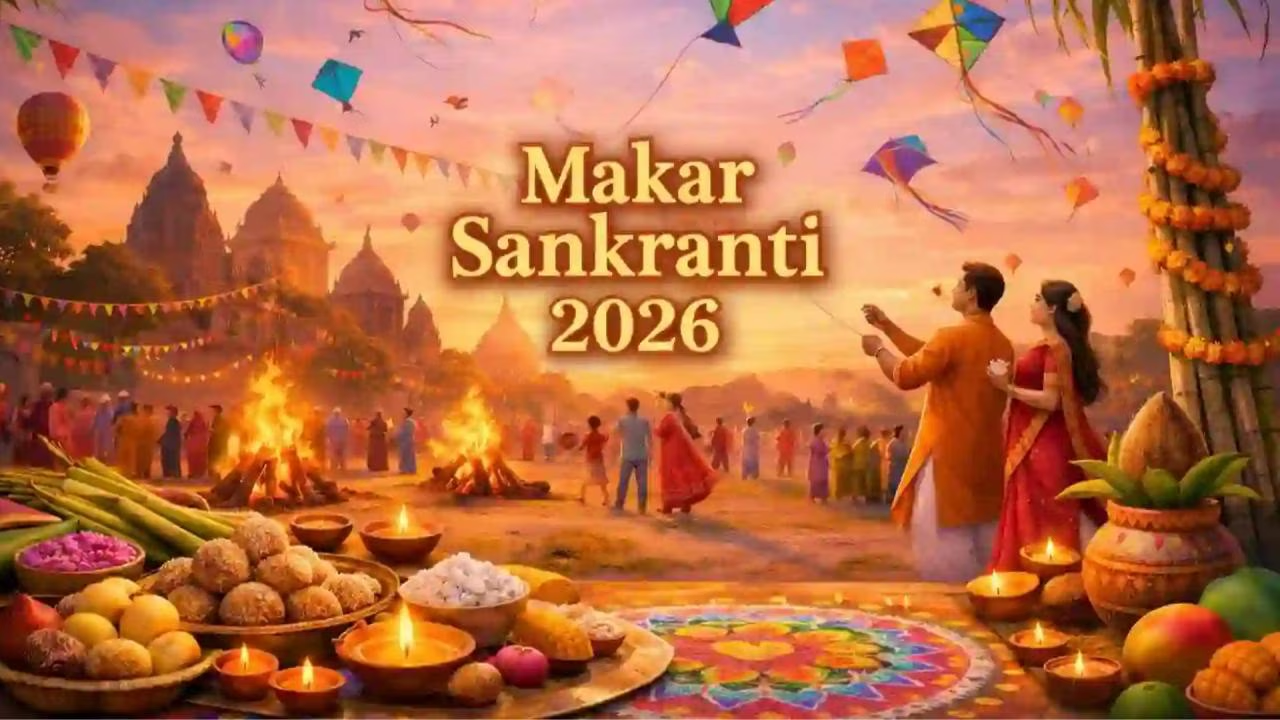
Makar Sankranti is one of the most widely celebrated festivals in India, marking a powerful transition in nature, astrology, and human life. Unlike many Indian festivals that are based on the lunar calendar, Makar Sankranti follows the solar calendar, which makes it one of the most astronomically precise festivals. Celebrated every year around 14th or 15th January, it signifies the Sun’s movement into the zodiac sign Makara (Capricorn).
This festival is not just a cultural celebration but a deeply spiritual and astrological event that symbolizes renewal, growth, discipline, and the gradual movement from darkness to light. Let us explore why Makar Sankranti is celebrated, its astrological importance, and how it affects people.
At its core, Makar Sankranti celebrates the transition of the Sun (Surya) from Sagittarius (Dhanu Rashi) to Capricorn (Makara Rashi). In Sanskrit, “Sankranti” means movement or transition, and “Makara” refers to the zodiac sign Capricorn.
This transition is significant because it marks the beginning of Uttarayan, the Sun’s northward journey. According to ancient Indian beliefs, the period of Uttarayan is considered highly auspicious and spiritually uplifting. It symbolizes hope, positivity, and enlightenment.
In Hindu mythology, Makar Sankranti is associated with several sacred stories:
It is believed that Lord Surya visits his son Shani (Saturn) on this day. Despite their strained relationship, this meeting symbolizes forgiveness, harmony, and respect.
The day is considered extremely auspicious for charity (daan). Donating food, clothes, sesame seeds, and grains is believed to wash away past karmas.
According to the Mahabharata, Bhishma Pitamah chose to leave his mortal body during Uttarayan, believing it to be the most favorable time for attaining liberation.
Thus, Makar Sankranti represents not only a seasonal shift but also a moral and spiritual awakening.
Makar Sankranti is celebrated in diverse forms across India:
Pongal in Tamil Nadu
Uttarayan with kite flying in Gujarat
Lohri in Punjab
Magh Bihu in Assam
Khichdi festival in Uttar Pradesh
Despite regional differences, the underlying theme remains the same: gratitude to nature, the Sun, and the harvest.
Astrologically, Makar Sankranti is one of the most important solar events in Vedic astrology.
Capricorn is ruled by Saturn (Shani), the planet of discipline, karma, responsibility, and long-term growth. When the Sun enters Capricorn:
Ego-driven energy gives way to structured ambition
There is a greater focus on career, duty, and perseverance
People become more practical, patient, and goal-oriented
This shift encourages individuals to align their actions with long-term purpose rather than short-term desires.
Uttarayan marks a phase when the Sun moves northward, symbolizing:
Growth of positive energy
Increase in mental clarity
Spiritual elevation
In yogic and spiritual traditions, this period is ideal for meditation, penance, and self-improvement.
From an astronomical perspective:
Days gradually become longer
Nights become shorter
Sunlight increases, positively impacting physical and mental health
Energetically, the Sun’s rays are believed to be especially beneficial during this period, which is why sunbathing, oil massages, and consumption of warming foods are recommended.
Makar Sankranti does not affect everyone in the same way. Its influence varies depending on one’s zodiac sign, planetary placements, and life phase.
Increased motivation to work hard
Desire to set long-term goals
Improved mental discipline
Strong inclination towards charity and selflessness
Emotional maturity and patience
It is an excellent time for new beginnings, especially related to career, education, and personal development.
This is the most directly affected sign.
Boost in confidence and leadership
Increased recognition and responsibility
New career opportunities
Strong karmic lessons
For Capricorns, this is a time of stepping into authority and embracing accountability.
These cardinal signs feel the Sun’s shift strongly:
Aries: Career focus intensifies
Cancer: Emotional maturity and inner transformation
Libra: Balance between personal and professional life
Challenges may arise, but they lead to long-term growth.
Those going through:
Shani Sade Sati
Shani Mahadasha
Saturn transits
may experience a sense of seriousness, introspection, and karmic correction. While this may feel heavy initially, it ultimately brings stability and wisdom.
Meditators, yogis, and seekers experience:
Deeper meditation
Enhanced intuition
Better discipline in spiritual practices
This is why many spiritual retreats and vows are taken during this period.
Makar Sankranti encourages a shift in diet and lifestyle:
Consumption of sesame seeds (til), jaggery, and ghee to generate body heat
Strengthening of immunity during winter
Focus on physical exercise and sun exposure
The famous phrase associated with the festival, “Til-gul ghya, god god bola”, symbolizes sweetness in speech and relationships.
Kite flying represents:
Rising above limitations
Connecting with higher aspirations
Releasing negativity
It also has scientific benefits, as exposure to sunlight increases Vitamin D levels.
At a deeper level, Makar Sankranti teaches us:
To move from ignorance to awareness
To embrace discipline over indulgence
To respect time, karma, and effort
To give generously and live ethically
It is a reminder that true progress comes from consistent effort, humility, and alignment with natural laws.
Makar Sankranti is far more than a harvest festival or a cultural tradition. It is a cosmic event that aligns human life with solar rhythms, karmic principles, and spiritual growth. By marking the Sun’s transition into Capricorn, it urges us to become disciplined, purposeful, and compassionate.
Whether one believes deeply in astrology or simply enjoys the festivities, Makar Sankranti offers a powerful opportunity to reset intentions, purify actions, and move steadily toward light, growth, and fulfillment.

get live consultation on phone call and chat message find the prediction guidanc...
May 07, 2026 - Thursday
April 2026 brings powerful planetary shifts that influence emotions, decisions,...
Apr 13, 2026 - Monday
April 2026 brings powerful cosmic movements that can reshape emotions, relations...
Apr 11, 2026 - Saturday
he New Moon in Aries on April 20, 2026 marks one of the most powerful cosmic res...
Apr 10, 2026 - Friday
In astrology, Aries Season marks the beginning of the zodiac cycle and the start...
Apr 09, 2026 - Thursday

Aries (Mesh Rashi) is often described as bold, energetic, and fearless. Most peo...
Apr 08, 2026 - Wednesday
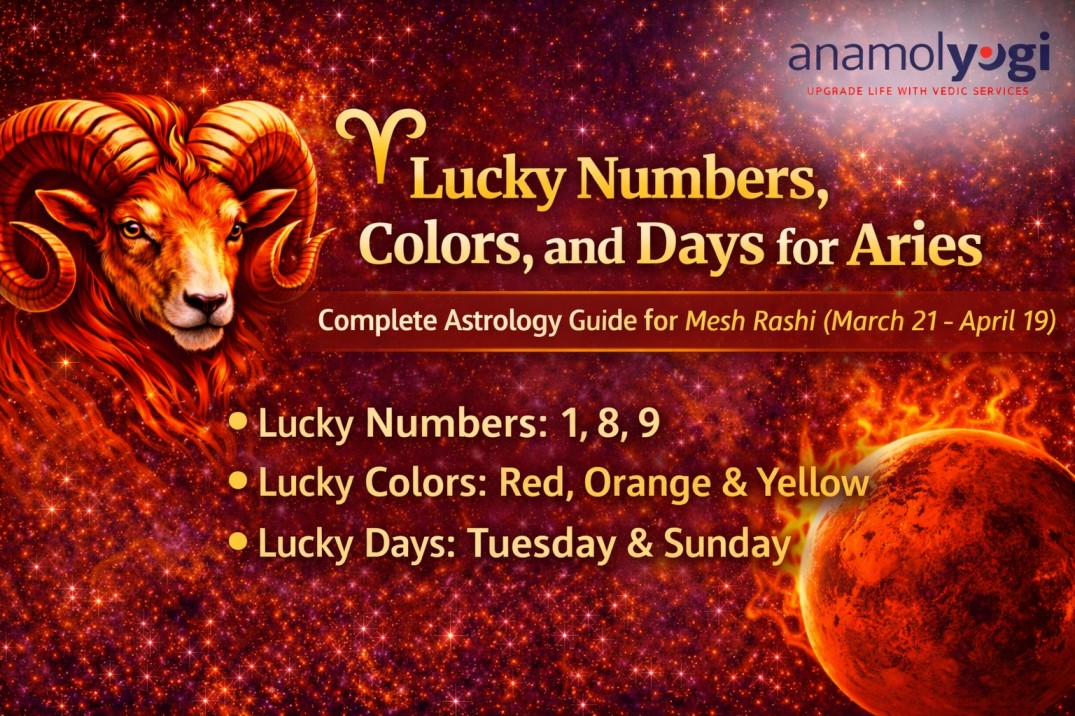
People born under the Aries zodiac sign (March 21 – April 19), known as Me...
Apr 07, 2026 - Tuesday

People born under the Aries zodiac sign (March 21 – April 19) are known fo...
Apr 04, 2026 - Saturday
Every year between March 21 and April 19, the universe enters on...
Apr 03, 2026 - Friday